
Table of Contents
- Preparation Before Using Pembersih Injektor
- How to Choose the Right Product
- How to Use Pembersih Injektor Correctly
- Common Mistakes to Avoid
- Maintenance for Consistent Engine Performance
Pembersih Injektor: The Right Way to Support Optimal Engine Performance
Pembersih Injektor is a practical fuel-system cleaning solution designed to help reduce deposits that can affect injector performance. When used correctly, it can support better fuel delivery, smoother combustion, and consistent engine response.
However, using a cleaner does not mean simply pouring any amount into the fuel tank. The correct product, dosage, timing, and application method are important to avoid ineffective treatment and to support safe engine maintenance.
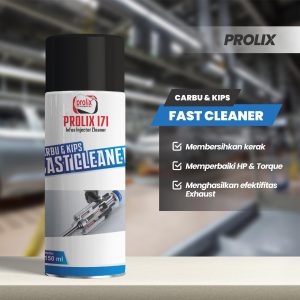
Preparation Before Using Pembersih Injektor
Before applying Pembersih Injektor, read the product label and confirm that it is compatible with your vehicle and fuel type. Different formulas can have different concentration levels, recommended dosages, and application methods.
- Check the recommended dosage on the product packaging.
- Confirm compatibility with the engine and fuel system.
- Use the product only according to the manufacturer’s instructions.
- Make sure the fuel tank and surrounding area are free from obvious leaks.
It is also useful to identify symptoms that may indicate injector or fuel-system deposits, such as rough idling, sluggish acceleration, or inconsistent engine response. These signs can have other causes, so cleaning should not replace proper diagnosis.
How to Choose the Right Product
A quality Pembersih Injektor should clearly state its intended application and dosage. Look for clear instructions rather than choosing a product only because it promises dramatic performance gains.
Consider whether the formula is intended for gasoline or diesel engines, and check whether it is designed for periodic maintenance or a more intensive cleaning process. For general background on fuel injectors, you can also read this trusted reference on fuel injection.
How to Use Pembersih Injektor Correctly
The most common fuel-tank application is straightforward. Add the recommended amount of Pembersih Injektor to the fuel tank according to the label, ideally before refueling so the additive mixes evenly with the incoming fuel.
- Check the recommended dosage for the amount of fuel in the tank.
- Pour the cleaner into the fuel tank as instructed.
- Refuel if the product directions recommend doing so.
- Drive normally and allow the treated fuel to circulate through the system.
- Observe changes in idle quality, throttle response, and overall engine behavior.
Never assume that a larger dose will produce better results. Excessive use can be unnecessary and may conflict with the manufacturer’s recommendations, so always follow the specified concentration.
For best results, choose a driving pattern that allows the treated fuel to circulate normally through the system. Avoid aggressive driving simply to “test” the cleaner; steady, normal operation provides a more sensible way to observe changes.
Keep in mind that fuel quality also matters. Consistently using suitable fuel and following the vehicle manufacturer’s service schedule can reduce the chance of deposits becoming a recurring concern.
Common Mistakes to Avoid
One common mistake is using Pembersih Injektor too frequently without checking the label. Another is mixing incompatible additives or using a product that was formulated for a different fuel system.
- Do not exceed the recommended dosage.
- Do not ignore compatibility instructions.
- Do not combine multiple fuel additives unless specifically approved.
- Do not treat persistent engine problems as a cleaning issue alone.
If the engine continues to misfire, lose power, consume excessive fuel, or produce unusual smoke after appropriate maintenance, professional inspection may be necessary. Injector problems can involve electrical components, fuel pressure, filters, pumps, or mechanical issues.
Maintenance for Consistent Engine Performance
Pembersih Injektor works best as part of a broader maintenance routine rather than as a substitute for servicing. Regular oil changes, clean air filters, suitable fuel, and timely inspections all contribute to reliable engine operation.
Keep a simple maintenance record showing when additives were used and what symptoms were observed. This makes it easier to evaluate whether cleaning is actually helping and prevents unnecessary repeated treatments.
Results may vary depending on injector condition, fuel quality, vehicle age, and the type of deposits present. A cleaner can support routine maintenance, but severely contaminated or damaged injectors may require professional cleaning or replacement.